Glass in Design and Daily Life, Aesthetic, Durable, Sustainable and Safe

Updated: Sep 4
Glass does something few materials can do. It can disappear when a room needs openness, glow when light hits it, protect a building from weather, hold medicine without reacting, and store food without leaving a smell behind. That mix of beauty and practicality is why glass keeps appearing in homes, hospitals, shops, kitchens, laboratories, and city skylines.
Its appeal is not only visual. Good glass can be strong, long-lasting, hygienic, recyclable, and highly adaptable. The same broad material family can become a balcony railing, a sterile vial, a solar control window, a dining table top, or a jar of homemade pickle. Each use demands a different type of glass, but the core advantages remain the same: clarity, stability, and performance.

Glass makes spaces feel lighter, cleaner, and more connected
The first reason designers love glass is simple: it works with light. A solid wall blocks a view and creates separation. Glass divides space without making it feel closed. In interiors, this is useful in homes where every square metre matters, especially in urban apartments.
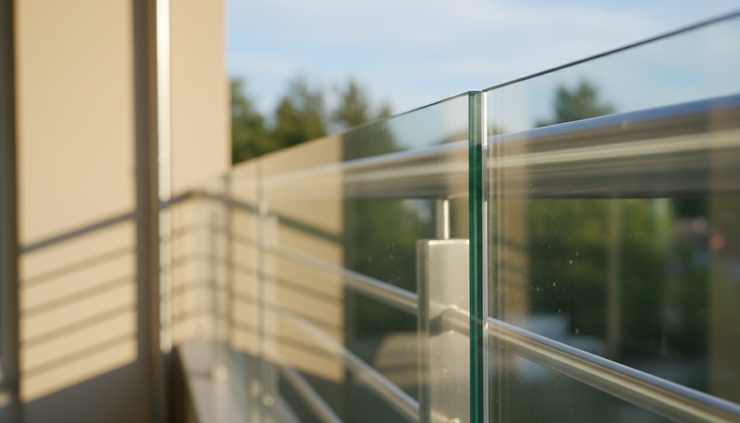
A glass partition between a dining area and a kitchen can contain cooking smells better than an open layout while still keeping the room visually connected. A glass shower enclosure makes a compact bathroom feel less crowded. A glass balustrade on a staircase or balcony keeps sightlines open, which helps the space feel larger.
Glass also suits many design styles. It can look minimal, traditional, industrial, luxurious, or understated depending on how it is used. Clear glass creates openness. Frosted glass adds privacy. Tinted glass softens glare. Textured glass brings pattern and character without heavy decoration.
In exterior design, glass changes how a building meets its surroundings. Large windows frame gardens, courtyards, balconies, and city views. A glass facade can make a structure feel lighter than one clad entirely in concrete, brick, or stone. Used well, it gives buildings a clean appearance and supports better daylight inside.
The real skill lies in choosing the right glass for the right place. A west-facing window in a hot Indian city needs careful thought. Clear glass may look beautiful, but it can increase heat and glare. Solar control glass, low-emissivity glass, good shading, and thoughtful ventilation can make the same opening much more comfortable.
Good design with glass is never only about transparency. It is about balancing light, privacy, heat, safety, and maintenance.
Glass is durable when specified and cared for correctly
Glass has a reputation for being fragile, but that is only part of the story. Thin, untreated glass can crack or shatter under impact. Yet properly selected glass can handle demanding conditions for years. This is why it appears in car windscreens, high-rise buildings, laboratory equipment, cookware, and medical containers.
The durability of glass comes from its basic nature. It does not rust like steel, rot like wood, or fade like many plastics under sunlight. It is non-porous, so it does not absorb moisture or odours. It resists many chemicals and cleans easily. For interior surfaces such as shelves, partitions, backsplashes, tabletops, and cabinet shutters, these qualities make glass practical as well as attractive.
Different treatments make glass safer and stronger.
Type of glass | Common use | Key advantage |
Toughened glass | Doors, shower screens, partitions, railings | Higher impact resistance and safer breakage into small pieces |
Laminated glass | Skylights, facades, balcony railings, windscreens | Interlayer holds broken pieces together |
Insulated glass units | Windows and facades | Better thermal and acoustic performance |
Frosted or etched glass | Bathrooms, doors, partitions | Privacy while allowing light |
Low-E or solar control glass | Exterior windows | Helps manage heat gain and glare |
Toughened glass is heat-treated to improve strength. When it breaks, it forms small granular pieces instead of long sharp shards. Laminated glass bonds two or more layers with an interlayer, often a polymer. If it cracks, the interlayer helps keep fragments in place. This makes laminated glass valuable where fall protection, overhead glazing, or security matters.
For exterior applications, glass must also face wind, rain, dust, vibration, temperature changes, and pollution. The glass itself may remain stable for a very long time, but the full system includes frames, sealants, gaskets, coatings, hardware, and installation quality. A beautiful glass facade can perform poorly if the framing leaks or if the wrong sealant is used.
The lifespan of glass depends on more than the glass itself
Glass can survive for centuries in stable conditions. Archaeological glass objects prove that the material can last far longer than most building finishes. In modern buildings and products, though, lifespan depends on the type of glass, where it is installed, and how it is maintained.
A plain interior glass shelf may last for decades if it is not overloaded or struck. A bathroom mirror may fail sooner if moisture attacks the backing at the edges. An exterior insulated glass window can perform well for many years, but its seal may eventually weaken, allowing condensation between panes. A glass railing may remain sound, while its fittings, bolts, or sealants need earlier attention.
The main factors affecting longevity include:
Glass type and treatment Toughened, laminated, coated, and insulated glass products behave differently. Each has a suitable use case.
Installation quality Poor edge support, metal-to-glass contact, wrong clearances, and uneven pressure can lead to stress cracks.
Thermal stress Sudden temperature differences across the glass can cause cracking, especially in large panes or partially shaded areas.
Impact and vibration Doors, railings, shopfronts, and public-use areas need glass that can handle repeated movement and accidental knocks.
Edge protection Glass edges are more vulnerable than the flat surface. Chips and scratches at the edge can reduce strength.
Cleaning methods Abrasive pads, harsh tools, or gritty dust can scratch surfaces and damage coatings.
Environment Coastal air, high humidity, pollution, and hard water stains can affect fittings, coatings, and appearance.
A simple rule helps: treat glass as part of a system. The pane, frame, seal, hardware, and cleaning routine all shape the final lifespan. When these details are handled well, glass gives strong long-term value in both interior and exterior design.
Glass supports sustainable design, but choices matter
Glass is often called sustainable because it is recyclable and long-lasting. That is true, but the full picture is more balanced. Making glass needs high heat, which consumes energy. Transport can also add environmental cost because glass is heavy. Still, glass offers several sustainability advantages when used carefully.
The most obvious benefit is recyclability. Clean glass can be recycled repeatedly without losing many of its basic qualities. In practice, recycling depends on collection, sorting, colour separation, and contamination control. A clear bottle, a window pane, and heat-resistant cookware cannot always enter the same recycling stream. Even so, glass remains one of the most recyclable everyday materials.
Glass also supports sustainable buildings by improving daylight. Better natural light can reduce the need for artificial lighting during the day. It can improve visual comfort and make interiors feel healthier and more pleasant. In homes, schools, hospitals, and public buildings, daylight has real value.
At the same time, too much poorly controlled glass can increase cooling loads. In many parts of India, large unshaded glass areas can trap heat and create glare. Sustainable glass design needs orientation, shading, ventilation, and suitable glazing products. Deep balconies, chajjas, fins, blinds, trees, and low-E glass can all help.
Glass also lasts well when maintained, which reduces replacement waste. A stone countertop may chip, a laminate may peel, and some plastics may yellow. Glass surfaces can keep their appearance for years if protected from heavy impact and scratches.
For daily life, glass storage containers offer another sustainability benefit. They can replace many single-use plastic containers. They are washable, reusable, and less likely to retain stains or odours from spices, oils, or acidic foods.

Medical glass is designed for purity, precision, and resistance
Glass plays a quiet but vital role in healthcare. It stores vaccines, medicines, blood samples, injectable drugs, laboratory reagents, and diagnostic specimens. It appears in syringes, ampoules, vials, test tubes, microscope slides, pipettes, and specialised equipment.
Medical applications need glass with controlled properties. The material must resist chemical interaction, tolerate sterilisation where needed, protect contents from contamination, and allow clear visual inspection. This section is informational only and does not replace medical, laboratory, or regulatory guidance.
The main types used in medical and laboratory settings include the following.
Borosilicate glass resists heat and chemical attack
Borosilicate glass contains silica and boron trioxide, which gives it better resistance to thermal shock than ordinary soda-lime glass. That means it can handle temperature changes more safely. It also has strong chemical resistance, making it suitable for laboratory glassware, pharmaceutical vials, ampoules, and syringes.
In pharmaceutical packaging, high-quality borosilicate glass is valued because it reduces the risk of the container reacting with the medicine. It is often used where purity and stability matter.
Soda-lime glass is common but less resistant
Soda-lime glass is the most widely used glass in everyday products, including many bottles and containers. It is economical and suitable for many uses, but it has lower thermal and chemical resistance than borosilicate glass.
In medical settings, treated or specially produced soda-lime glass may be used for certain containers when the stored material does not demand the higher resistance of borosilicate glass. The intended use and regulatory requirements determine suitability.
Aluminosilicate glass offers high strength
Aluminosilicate glass includes aluminium oxide, which can improve strength and resistance to heat and chemicals. It is used where a tougher glass is required. Some medical and pharmaceutical packaging applications use strengthened glass to reduce breakage risk during filling, transport, or handling.
Fused silica and quartz glass suit specialised uses
Fused silica and quartz glass have very high purity and excellent resistance to high temperatures. They also transmit certain wavelengths of light better than ordinary glass. This makes them useful in specialised laboratory instruments, optical devices, and analytical equipment.
Medical glass must do more than hold a liquid. It must protect the contents, remain stable during storage, and behave predictably during sterilisation, filling, transport, and use. That is why medical glass is specified with far more care than ordinary household glass.
Glass food storage is safe when it is food-grade and used well
Glass is one of the most trusted materials for food storage because it is non-porous and generally inert. It does not absorb curry stains as easily as plastic, does not hold strong smells in the same way, and can safely store oily, acidic, salty, or dry foods when the container is made for food contact.
That said, safety depends on using the right product and maintaining it well. Not every decorative glass item is suitable for storing food. Painted, metallic, antique, or heavily decorated glassware may contain finishes that are not intended for food contact. Food storage containers should be labelled or sold for that purpose and should meet applicable food-contact standards.
Best practices are straightforward:
Use containers clearly meant for food storage.
Avoid using cracked, chipped, or deeply scratched glass for food.
Do not pour boiling liquid into ordinary room-temperature glass unless it is designed for thermal shock.
Let hot food cool slightly before sealing the lid to reduce pressure build-up.
Use clean, dry containers for grains, spices, snacks, and pickles.
Check lids, seals, and gaskets for mould, rust, or damage.
Wash thoroughly after storing oily or strongly flavoured foods.
Avoid sudden temperature changes, such as moving glass directly from freezer to hot water.
Follow the manufacturer’s instructions for microwave, oven, freezer, and dishwasher use.
In Indian kitchens, glass is especially useful for masalas, dals, rice, tea, coffee, dry fruits, chutneys, pickles, and leftovers. It lets the contents remain visible, which reduces waste because food is less likely to be forgotten. For pickles and acidic foods, glass is often preferred because it resists reaction better than many metals.
The lid matters too. A glass jar with a poor metal lid can rust. A plastic lid may stain or warp. Silicone gaskets can improve sealing but need regular cleaning. The safest container is the full package: food-grade glass, a suitable lid, and hygienic handling.

Glass works best when beauty and specification meet
The advantages of glass are strongest when design decisions match real-world use. A frameless shower screen, a glass balcony, a skylight, and a medicine vial are all glass products, but they do not have the same safety needs. A food jar, a facade panel, and a laboratory beaker cannot be judged by appearance alone.
For interior and exterior design, choose glass based on location, load, heat, privacy, cleaning access, and risk of impact. For healthcare and laboratory settings, rely on specified medical-grade glass suited to the contents and process. For food storage, use food-grade containers and simple hygiene habits.
Glass has earned its place because it combines elegance with function. It brings in light, opens views, resists daily wear, supports reuse, and protects sensitive contents when properly made. With the right type and care, Glass in Design and Daily Life Aesthetic Durable Sustainable and Safe is not just a title. It is a practical way to think about one of the most useful materials around us.



Comments